
HVAC Hose Adapters & Parts
A single leaking fitting can drain an entire A/C system of refrigerant in hours, leaving a commercial bus, work truck, or service vehicle with no cooling and a fleet manager with an expensive repair on the schedule. The connection points between hoses, compressors, condensers, and evaporators are where most automotive HVAC systems fail first, and the quality of the fittings determines whether those connections hold for years or fail within a season. HVAC hose adapters that meet the right pressure ratings, thread standards, and sealing specifications keep refrigerant where it belongs and keep vehicles on the road.
O2 Cool Manufacturing produces HVAC hose adapters engineered specifically for the demands of commercial vehicle climate control systems. Every adapter is built to seal reliably under the vibration, thermal cycling, and pressure extremes that mobile A/C systems face every day. That reliability matters to OEMs spec'ing new vehicle programs and to fleet operators who cannot afford repeat visits to the shop for the same refrigerant leak.


Why the Right Adapter Matters in a Mobile A/C System
Mobile HVAC systems do not operate under the stable conditions of a building's rooftop unit. Compressor pressures spike and drop with engine RPM. Underhood temperatures swing from ambient cold starts to well over 200°F within minutes. Constant road vibration loosens fasteners, and road chemicals attack exposed metal surfaces. An adapter that performs fine on a test bench can fail inside a month on a transit bus running a full route.
Our HVAC hose adapters are designed around those realities. Tolerances are held tight enough to seal on the first installation without overtightening. Materials are selected to resist corrosion from road salt, brake dust, and refrigerant oils. Thread profiles match established standards for O-ring, flare, and captured-seal fittings, so technicians can service systems in the field without hunting for obscure replacement parts. The end result is a connection that installs quickly, seals the first time, and holds through the life of the system.
A Complete Range of Adapter Types and Configurations
Automotive HVAC hoses use a variety of fitting styles depending on the system's age, the refrigerant it runs, and the OEM's original design choices. O2 Cool supplies HVAC hose adapters across the full range of configurations commercial vehicle builders and service shops need:
- Male and female O-ring fittings in standard and metric thread sizes
- Flare and inverted flare adapters for legacy systems
- Compressor service port adapters for R-134a and newer refrigerant blends
- Reducers and step fittings to bridge mismatched hose and component sizes
- Block fittings, bulkhead fittings, and tee configurations for complex routing
- Straight, 45°, and 90° elbow adapters for tight engine-bay packaging
HVAC Hose Parts Engineered for Long Service Intervals
The adapter is only one piece of a larger connection system. Hoses, ferrules, seals, and service ports all have to work together, and a mismatch anywhere in that chain creates a future leak. O2 Cool supplies HVAC hose parts as a matched system, engineered to the same tolerances and pressure ratings as our adapters. That consistency reduces the guesswork during assembly and gives fleet service teams confidence that replacement parts will fit and seal the same way the originals did.
For OEM programs, we also offer custom configurations. If your vehicle platform uses a fitting geometry that standard catalogs do not cover, our engineering team can develop an adapter built specifically to your print. That flexibility keeps new vehicle programs on schedule and gives upfitters a sourcing path when a standard part will not fit.
Industries served

We put our extensive experience to work for you, constantly innovating to provide the best possible solutions to fit the specs of any school bus.
Learn More
At O2 COOL, we're dedicated to providing optimal ambulance HVAC solutions specifically designed for the unique needs of first responders and their patients.
Learn More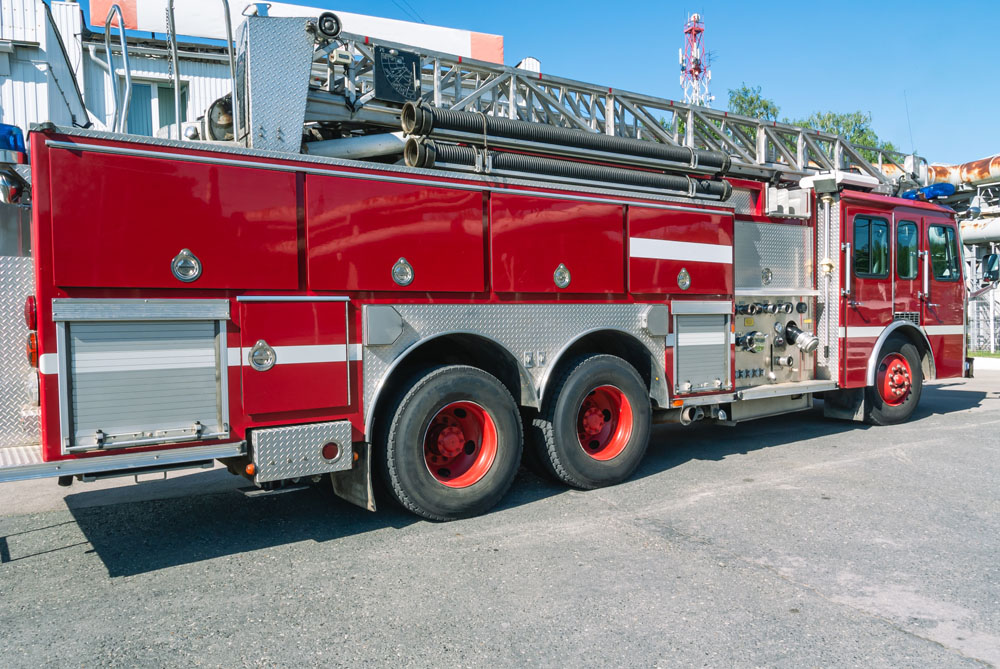
Our climate control systems are built to meet the demanding needs of firefighters, ensuring reliable operation in the toughest conditions.
Learn More
Our R&D and testing capabilities, coupled with our flexibility and responsiveness to customers’ needs, have solidified O2 COOL as a provider of HVAC solutions to the limousine industry for over 50 years.
Learn More
We specialize in the design, manufacturing and installation of tour bus & luxury coach climate control systems to spec, and creating OEM solutions through our in-house Engineering, Manufacturing and Research & Development teams.
Learn More
From four decades of experience and industry knowledge, O2 COOL can design and customize HVAC systems to meet any application or climate demands, for conventional and alternative fuel vehicles.
Learn More
O2 COOL specializes in designing and manufacturing custom cooling systems for utility vehicles, providing solutions tailored to meet the unique needs of each application
Learn More
We bring solutions to both the private sector and the government as a supplier of HVAC and engine temperature control products and systems in the delivery van market segment.
Learn More
At O2 COOL, we understand that in a military vehicle, reliable climate control is essential for ensuring optimal performance in demanding conditions.
Learn MoreWhy Choose O2 Cool?
Focus on Safety and Comfort
Innovative and Energy-Efficient Solutions
Reliable, Durable, High-Quality Products
Build America, Buy America Certified
Build a Complete A/C System From One Manufacturer
Hose adapters perform best when matched to compressors, condensers, and other components designed to the same standards. Explore our full line of automotive HVAC and A/C compressors to source a complete, balanced climate control system from a single manufacturer with full engineering support behind every component.
Frequently Asked Questions
What is the difference between an HVAC hose adapter and a hose fitting?
The terms overlap in everyday use, but they describe different parts of the connection. A hose fitting is the end connector crimped or swaged directly onto the refrigerant hose itself, becoming a permanent part of the hose assembly. An adapter is a separate intermediate piece that joins two components with different thread types, sizes, or orientations, such as converting a male O-ring fitting to a female flare, or stepping a #8 line down to a #6 port. Adapters are installed between the hose fitting and the component it connects to, which makes them serviceable and replaceable without reworking the hose itself. Most commercial A/C repairs that involve changing a compressor, condenser, or evaporator involve swapping adapters rather than building new hose assemblies.
Can I use the same HVAC hose adapters with R-134a and R-1234yf refrigerant?
The thread profiles and sealing surfaces on most system-side fittings are compatible with both refrigerants, but the service ports are intentionally different. R-1234yf systems use a distinct service port design with unique quick-connect couplers specifically to prevent cross-contamination with R-134a equipment. On the high and low side plumbing, O-ring materials also matter: HNBR seals are compatible with both refrigerants and the PAG oils used with them, while older nitrile seals may degrade faster with R-1234yf. When sourcing replacement adapters for a system that has been retrofitted or that runs newer refrigerant, always verify the seal compound and confirm the service port style matches the refrigerant in use.
How do I prevent HVAC hose adapter leaks during installation?
Most adapter leaks trace back to three installation issues: damaged O-rings, incorrect torque, and contaminated sealing surfaces. Always install a new O-ring rather than reusing the old one, and lubricate it with a thin film of refrigerant oil compatible with the system, typically PAG or POE oil, before seating. Torque the fitting to the manufacturer's specification using a proper torque wrench rather than feel. Overtightening crushes the O-ring and deforms the seat, while undertightening leaves a gap that pressure and vibration will eventually open. Inspect both the adapter's sealing surface and the mating port for scratches, pitting, or debris before assembly, since even a small imperfection across the seal path will create a slow leak that is difficult to diagnose later.
What pressure ratings do commercial vehicle HVAC hose adapters need to meet?
Working pressures in an automotive A/C system typically run from around 25 to 50 psi on the low side and 150 to 300 psi on the high side under normal operation, with transient spikes that can push the high side above 400 psi in hot ambient conditions or with restricted airflow across the condenser. SAE J2064 is the governing standard for refrigerant hose assemblies and their fittings in mobile A/C service, and quality adapters are typically rated with a substantial safety margin above expected peak pressures to account for thermal spikes, system faults, and long-term fatigue. When specifying adapters for commercial vehicle use, look for parts rated to the full J2064 requirements rather than general-purpose fittings that may not have been tested to mobile A/C conditions.